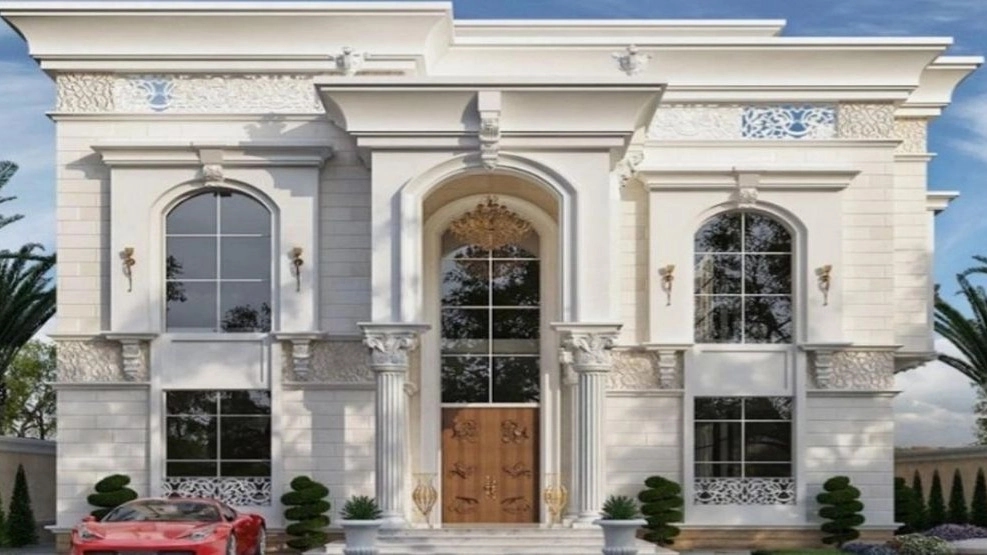
What is a cement facade?
This facade is made with cement and a number of other building materials as the outer covering of the structure. In such a facade, solid materials such as stone facade, wood or concrete facade are not used, but the facade is made with cement paste. Cement paste is in the vicinity of air. Over time, it hardens and becomes a material that is resistant to changes in different weather conditions. Because cement is a versatile material and is abundantly available in the market, there is no problem of lack of access to buy this material. On the other hand, craftsmen work very easily with cement paste and can implement various designs to create a beautiful, clean and eye-catching appearance. Also, the cement used in this facade is "white cement" which is combined with Other materials are implemented in the outer covering of the building.
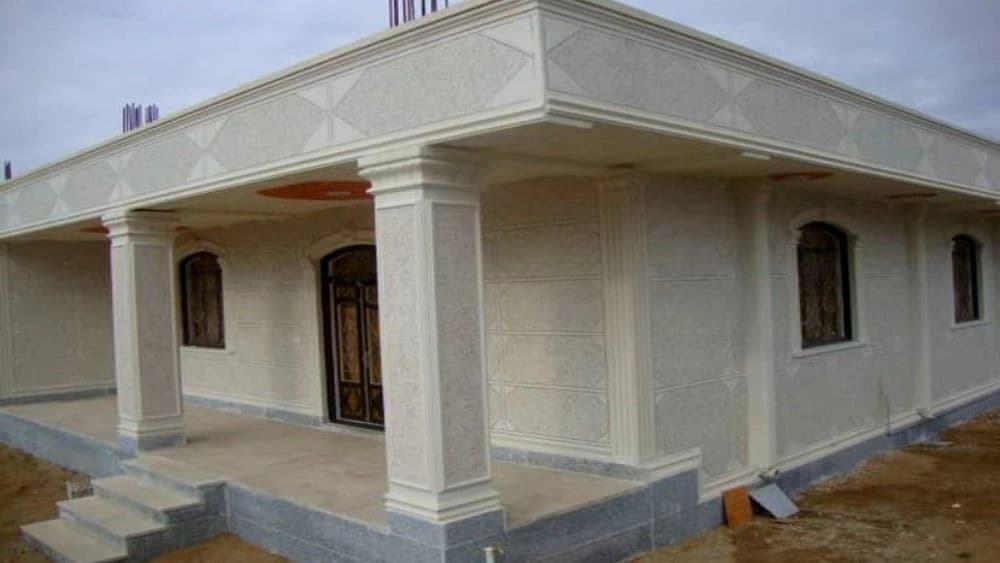
Application of Mohammadi cement facade in Ramsar
This facade is one of the building facades that, as its name suggests, cement is used for its construction. Cement is one of the most widely used and useful materials used in the construction industry. The combination of cement and water, when it is in the vicinity of air, becomes extremely adhesive, and this has made cement one of the most widely used construction materials. Usually, cement is used to glue particles and construction materials, but from there that cement mixed with water is a cheap and resistant compound that is highly resistant to heat, cold, wind and rain; It is also used in the facade of the building.
Residential facade
Office view
View of the villa
A variety of cement facades
This facade has different types according to the design and the type of materials used in it, familiarity with the types of cement facades will help you to make an easier choice for the cement used in the facade of the building.
The types of cement facade are:
- سفید مدرن
- شسته
- رنگی
- تخته ماله
- تگرگی
- ماهوتی
- چکشی (تیشه ای)
- خراشی
- آبساب
- موزائیک شسته
- رومی
1- White cement facade
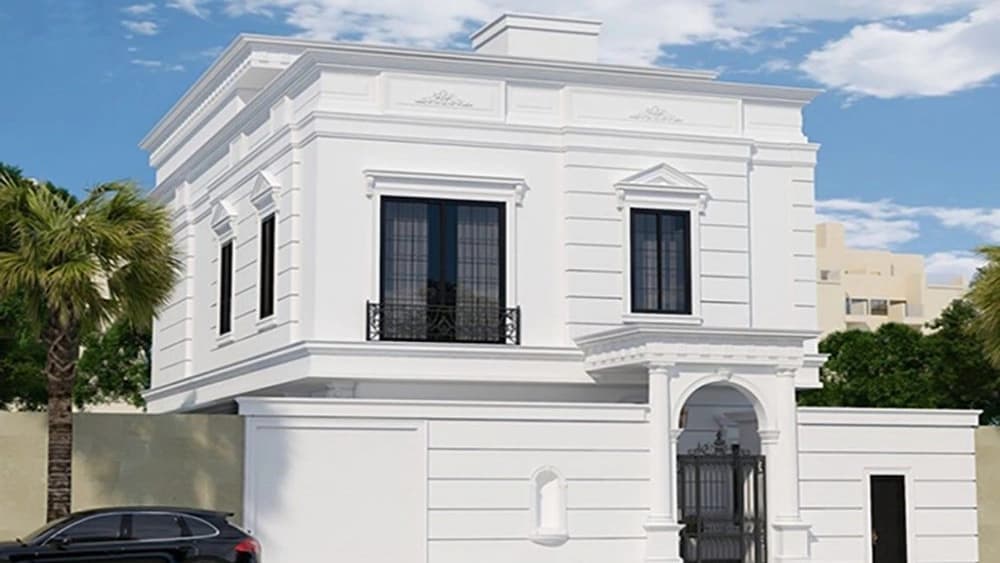
This modern white facade is a type of cement facade in which the appearance of the building is covered with a combination of white cement and water and gives the building a completely white appearance.
White cement looks very beautiful and flawless in the first 10 years of facade construction; However, if the material used in the facade is not of good quality, over time, the facade will turn black and give an unpleasant appearance to the building and its surroundings. The use of the highest quality cement makes the material absorb environmental pollution less. and preserve the shine and beauty of its first day with the passage of time.
2- Washing cement facade
Washed cement facade is a facade that consists of a combination of white cement, colored stones and coated mineral colors. This facade has a wonderful beauty and appearance, and its strength is more compared to other cement facades. For this reason, this washed facade is very widely used, and in addition to the design of the exterior of the building, it can also be used in the design of stairs and garden walls. It is enough to get the help of an experienced team to design and implement your cement facade, who can implement the facade of the building with the highest quality and the most principled method.
3- trowel board
This type of cement facade consists of two main parts.
Lining
trowel board
The thickness of the lining layer is 2 cm and it is applied using cement sand mortar on the wall of cement block or brickwork (it is called compressed brick without strapping).
The second layer has a thickness of 0.5 cm and is made of a combination of sand, cement, stone powder and stone soil, which is spread over the lining by means of a trowel. To prevent cracking of the cement in the facade, the facade is usually divided into separate parts with a line and then the material is implemented on the facade. The implementation of this trowel facade requires high precision and elegance, that is why the Carbled team is needed for its implementation.
4- The cement facade of the hajj and the cement facade
This facade and mahouti both have a thickness of two centimeters and are made from a combination of cement with stone powder, stone soil and cement mortar. This type of cement facade is done by spraying. The difference between mahouti cement facade and cement facade. Hail is in the dimensions of the grains that make them up. If coarse grain materials are used to make mortar, we call it hail cement. Now, if fine-grained materials are used to make mortar, we call it Mahoti cement facade. Hailstone and mahout cement facades do not look as luxurious and expensive as white and washed cement, but if you can use it with other materials with creative design, you can have an attractive and modern composite facade.
5. Colored cementary
This colored facade is created from the combination of white cement with pigment. This type of cement facade has a high adhesive ability, now we will discuss some of the features of colored cement facade.
No color change in sunlight
No water penetration
High color variety
The possibility of using anti-pollution materials (nano) to prevent color change
Reasonable price
This type of cement facade allows users and employers to design the facade of their building with their desired color.
Roman cemented view
The Roman facade is considered one of the most magnificent facades in architecture, which mainly uses stone materials, but as you know, stone materials are one of the most expensive materials in the construction industry. Other materials used in the facade Roman, which has a much lower price than the stone facade, is this cement facade. In this style, white cement facade is used, and in the final stages, the elements of the Roman facade are used, the elements Artificial stones are generally used in this type of facade. If you are interested in using the Roman facade, which is considered a luxurious and expensive type of building facade; But due to the high cost of its main material, i.e. stone, you have given up on this style of facade; We must tell you that cement is very common as a substitute for stone in Roman facades, and all Roman and classical facades in the city are not made with stone, but a large percentage of them are made with cement.
< /p>
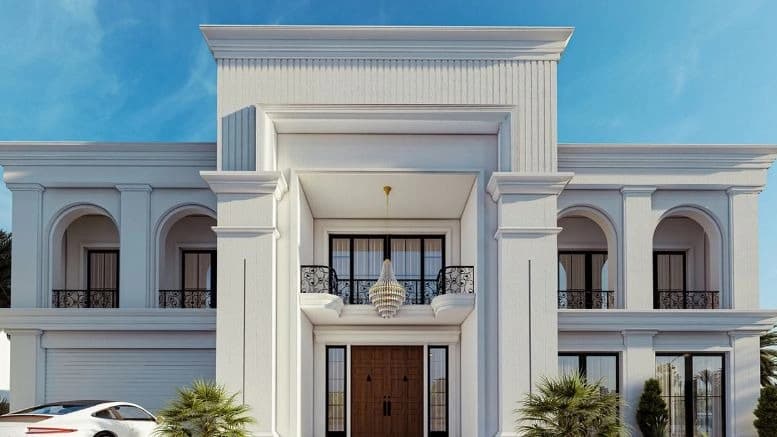
Benefits of Mohammadi cement facade in Ramsar Mazandaran
- مقاومت بالا در برابر تغییرات جوی و شرایط آب و هوایی مختلف
- ایجاد نمایی زیبا و خیرهکننده
- امکان اجرای انواع طرح سنگ و چوب در انواع نمای چوبی و سنگی
- بازتابش نور خورشید و درخشان کردن نما
- هزینه کمتر نسبت به سایر نماها (سنتی یا مدرن)
- سرعت بالای اجرا و صرفه جویی در زمان
- ماندگاری بالا و طول عمر زیاد
- تنوع رنگی بالا
- دارای ظاهر یکنواخت و صاف
- امکان اجرا در سبک های مختلف نما مانند نمای کلاسیک یا رومی و مدرن
How Mohammadi Cement Facade Implementation
Torrey Rabbits form the basis of the work and its implementation is known as "chassis killing". Tori Rabbits helps to better implement the facade by creating a suitable surface.
After closing the Rabbits net and performing the welding operation, the net is covered with stone and cement powder mortar to provide a suitable bed for cement sand mortar.
In the next step, it is the turn of the height and length of the facade. By doing this step, a smooth and uniform surface is provided for other work steps.
Then, the space between the chromes is filled with cement-sand mortar, so that the first step in the basic infrastructure for the implementation of cement coating is done.
To increase the adhesion of cement-sand mortar with cement lining, the surface of the mortar should be slightly moistened after drying.
After the implementation of cement coating, it is the turn of cement processing. In this way, the facade is sprinkled with water at different intervals of the day and for at least one week.
Cement Design Tips
Avoid unusual colors on the facade
Not using multiple materials in the modern facade of the building (up to four types)
Avoiding unusual and unfamiliar forms (such as ships or statues)
Not including any writing on the facade
Not using anti-religious and anti-cultural signs and symbols
Prohibition of creating any level difference (edge, step, platform, etc.) on the ground line
Prohibition of creating any protrusion of entrance space on public roads
Avoiding openings with different and unfamiliar geometric shapes in the facade
The necessity of coordinating the dominant color of the facade with the color of the neighboring buildings
The necessity of designing the location of the panel in the design of this view
The necessity of building a cornice for the bottom of the windows during the design of the facade window to prevent water from sliding on the facade